A drive from Marrakech towards Ait Benhaddou should be organised around the High Atlas crossing, not just the time you hope to spend at the destination. Mountain weather, the driver's confidence and the need to return all matter. Vrenty Car explains how to choose a realistic itinerary and keep the rental within its permitted use. This is a paved-road journey to a heritage destination, not an invitation to take a hire car onto desert tracks, dunes or improvised mountain shortcuts.
Use your confirmed collection point and exact destination. Check current road conditions, access restrictions and rental permissions.
Understand the journey you are choosing
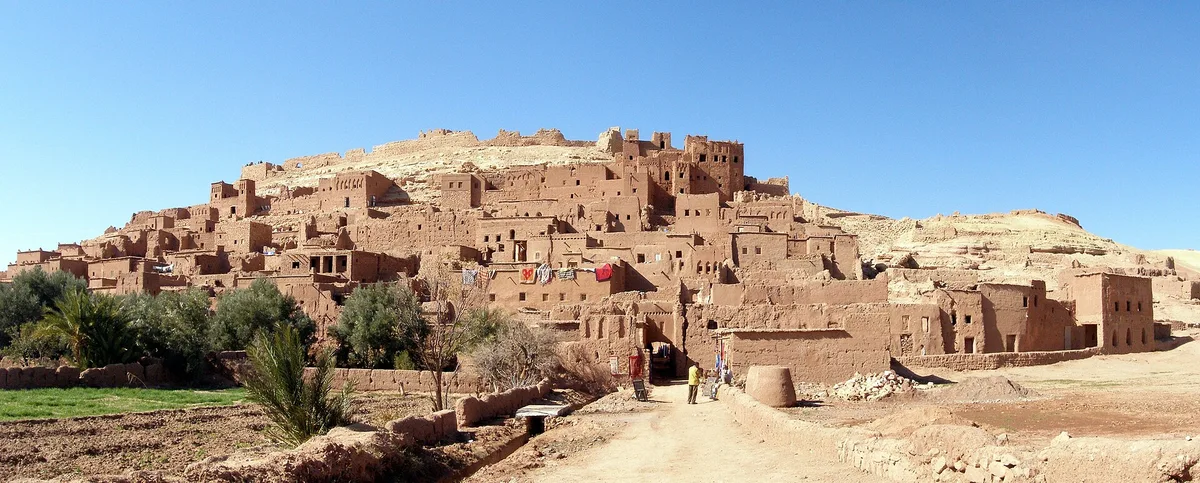
Ait Benhaddou is in Ouarzazate province, on the southern side of the High Atlas. UNESCO recognises its ksar for its earthen architecture and historic settlement form. That makes it a distinctive destination, but heritage status says nothing about today's road conditions, parking arrangements or the time required to reach it. Keep the cultural reason for visiting separate from the practical decision about whether this particular day is suitable for the drive.
Begin with your accommodation, collection point and eventual return destination. A journey starting from central Marrakech after breakfast differs from one starting after an airport handover. Use the Morocco rental comparison to choose the correct dates and vehicle, then assess the route on its own merits. Do not choose a car simply because its photograph appears adventurous; the itinerary needs an authorised driver, a permitted route and enough time to use both sensibly.
Let the mountain stage determine the schedule
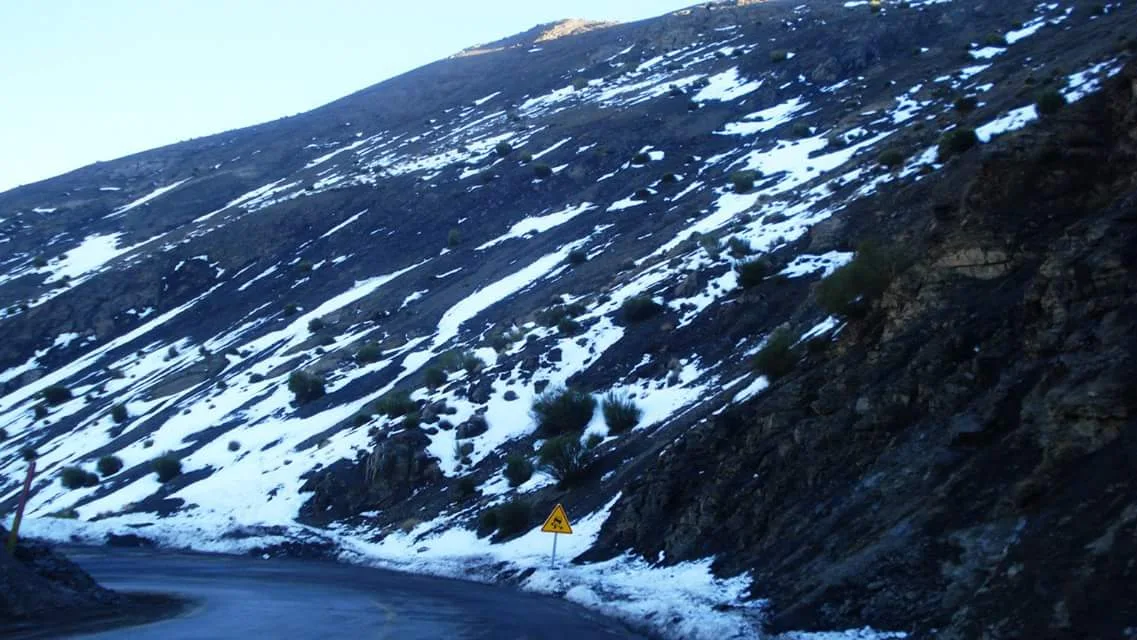
The familiar approach from Marrakech towards the Ouarzazate area crosses the High Atlas through the Tizi n'Tichka area. Mountain bends, slower vehicles, weather and places where stopping is unsuitable can make a map estimate a poor measure of the effort involved. Look at the complete road shape rather than only the distance. A shorter line across a mountain map does not necessarily describe the easier or more appropriate route for a visitor.
Allow a separate allowance for leaving Marrakech, taking breaks, finding lawful parking and walking at the destination. If you plan to return the same day, account for the mountain stage twice. It is not enough to arrive with time for photographs if the driver then faces a rushed evening crossing. Set a decision point early enough to shorten or change the visit without feeling committed by the distance already travelled.
Check conditions close to departure
Official travel advice warns that mountain driving can be affected by severe weather, and that heavy rain and flooding can disrupt roads. A weather forecast for Marrakech alone is not a forecast for the pass or the other side of the mountains. Check current official road and weather information for the actual route, and ask locally about recent disruption. Treat those checks as part of the departure routine, not as research completed when the holiday was booked.
This guide does not establish that the road is open today. If authorities restrict access, follow their instructions rather than following an app around a closure. Do not attempt a flooded crossing or assume a vehicle ahead proves the conditions are safe for yours. Where reliable information is missing and conditions look doubtful, postponing is a legitimate decision. A prepaid room or a desired photograph does not make the road more suitable.
Compare a long day with a staged journey
A same-day return asks one or more authorised drivers to complete the outward journey, visit the site and drive back with sufficient attention left for the mountain road. Be honest about your group's tolerance for prolonged driving. A passenger who enjoys the scenery may underestimate the concentration required from the person at the wheel. Avoid attaching several additional attractions to the plan merely because their names appear nearby on a small-scale map.
An overnight stay near your intended destination can divide the workload, provided the accommodation has an accessible paved approach and suitable parking. It does not remove the need to check the following day's conditions. Choose accommodation and rental dates with enough flexibility to respond to disruption, and read their change terms separately. For some visitors, a professionally organised excursion is a better fit than self-driving; renting is useful only when the route and responsibilities suit you.
Choose comfort and control rather than an off-road image
Prioritise a vehicle that the driver can operate confidently, with adequate space for the group and secure luggage storage. Confirm the transmission and ask the supplier about any unfamiliar controls before leaving. If you prefer an automatic, verify that the actual offer provides one. More space may improve comfort, but greater exterior size can make parking and narrow approaches less convenient. Balance these needs instead of treating the largest available class as automatically best.
At handover, look at the tyres and visible condition, check warning lights and ask how to obtain help if the car develops a problem. Raise concerns before starting the mountain stage. Do not continue with a mechanical warning because the itinerary is already booked. The supplier should explain the car's operation and assistance process; this page cannot assess a particular vehicle's roadworthiness or promise that any model is appropriate in every weather condition.
Keep the route within the rental agreement
Localrent's current Morocco terms permit use on paved public roads and prohibit international border crossings. The first limitation is especially relevant when planning scenic detours or accommodation approaches. A gravel track recommended in a travel post is not automatically an acceptable alternative. Check the route in advance and ask about ambiguous sections before departure. Do not assume that choosing an SUV changes a restriction that applies to the rental itself.
The deposit and insurance guide distinguishes damage protection from permission to use a road. Paying for an additional product does not turn a prohibited activity into an authorised one. If the final approach to a property conflicts with the terms, arrange a lawful paved-road meeting point or choose different accommodation. A written itinerary question should describe the actual access issue, not ask only whether the supplier allows a broad region called the Atlas.
Manage concentration on bends and descents
Drive at a speed suited to visibility, surface and conditions, within the posted limits. Leave space for other road users and do not let pressure from following traffic decide your pace. Overtake only where lawful and clearly safe; a passenger's view of an approaching bend may differ from the driver's. If you need to let other traffic pass, use a suitable lawful stopping place rather than a narrow or unstable edge.
Ask the supplier how to use the vehicle's transmission appropriately on a descent if its controls are unfamiliar. Do not experiment while moving or rely on a generic internet instruction that may not suit the car. Arrange navigation before starting each stage, and let a passenger handle route discussion when possible. For broader preparation, read driving and parking in Morocco, including documentation, motorway habits and the distinction between signs and assumptions.
Take breaks where the car can genuinely stop
A viewpoint is optional; a safe place to stop is essential. Do not pull over on a blind bend or block part of the carriageway to take a photograph. Choose a proper stopping area with a clear entry and exit, and keep passengers away from moving traffic. The driver should be free to miss a view without debate. A memorable road trip need not document every attractive section through the windscreen.
Bring water and the everyday items your group requires, and avoid beginning the mountain stage with fuel already low. Identify practical places to refuel along the planned route instead of assuming a particular roadside business will be open. Keep enough time for a meaningful rest, not merely a hurried purchase. If someone becomes uncomfortable or the driver loses concentration, adjust the day. A rigid sightseeing list should not outrank the condition of the people travelling.
Park first and visit the ksar on foot
Choose lawful parking using current local signs and information, then confirm the walking approach to the site. Ait Benhaddou's heritage landscape is not a place to test how close a rental car can get to a photograph. Do not drive onto tracks, riverbeds or other unsuitable ground in search of an alternative angle. Ask locally about the current pedestrian route rather than assuming that a crossing shown in an old photograph is usable.
Allow time for walking and breaks at the destination, especially for anyone who finds slopes or uneven surfaces difficult. Check the specific access requirements of your group in advance. Keep valuable items with you and avoid leaving visible luggage in the car. Any optional guide, visit charge or commercial service should be agreed with its provider; neither a parking payment nor this article establishes that all activities at the destination are included.
Protect the return journey from accumulated delay
Choose a latest departure point based on daylight, current conditions and the driver's energy, then take it seriously. A leisurely meal or an extra stop may be enjoyable, but each uses the same remaining time as the return crossing. If a safe same-day return no longer looks realistic, find a suitable place to stop and contact the parties affected by a changed plan. Do not wait until the rental return appointment has already passed.
Avoid making this drive immediately before an international departure. Returning to Marrakech earlier gives room for weather disruption, refuelling and a proper vehicle handover. If you collected at the airport, the Marrakech airport rental guide helps plan that final stage. A flight deadline cannot be moved by driving faster, and the airport return may take place at a supplier meeting point rather than at the terminal entrance.
Know what changes require supplier approval
Staying an extra night can change the rental period; finishing in another city can change the return location. Both require confirmation rather than an assumption that availability follows you. Explain the reason, proposed time and exact place to the supplier, and ask for the revised amount and conditions. Keep the written answer. If another traveller will take over driving, that person must already be accepted or be added through the proper process before doing so.
A broader journey towards another city should be booked as that journey from the start where possible. Read the Morocco one-way rental guide before treating a change of destination as a simple parking decision. International travel with the car is not part of this itinerary and is prohibited under the current Localrent Morocco terms. The practical fallback is a confirmed lawful return arrangement, not leaving the vehicle with an unrelated business.
Make a departure decision, not just a packing list
These checks turn a scenic idea into a workable day. An unresolved safety or permission question is a reason to revise the plan before leaving, not a detail to settle on the mountain road.
Agree your fallback with the group while everyone is still rested. Decide whether an unsuitable forecast means postponing, replacing the excursion with a local day or seeking a different authorised transport arrangement. Check the accommodation's change terms before assuming an overnight stop can move without cost. Making those choices in advance reduces the temptation to continue only because nobody wants to reopen the discussion after departure.
- Carry booking and assistance details offline.
- Check the forecast along the route, not only in Marrakech.
- Agree that weather and driver condition can cancel optional stops.
- Keep a flight departure separate from an uncertain mountain return.
| Question | Proceed only with a clear answer |
|---|---|
| Current conditions | The intended route is suitable under current official information |
| Vehicle and driver | No unresolved warning, fatigue or document problem |
| Permitted access | Paved public roads and accommodation access fit the contract |
| Timing | Breaks, walking and the return have realistic space |
| Fallback | A lawful stop or overnight change can be arranged if needed |
Questions & answers
Does this guide confirm the pass is open today?
No. Check current official road and weather information immediately before travel and follow restrictions on the ground. A published itinerary describes a planning option, not live road status.
Is Ait Benhaddou a desert off-road excursion?
Not in this rental itinerary. Plan a permitted paved-road approach and park lawfully for the visit. Dunes, riverbeds and unpaved shortcuts are outside the current Localrent Morocco paved-road conditions.
Should I return to Marrakech the same day?
Only if the whole schedule remains comfortable and suitable for the driver and conditions. Include the mountain journey in both directions. An overnight plan can reduce pressure, but its access, parking and rental dates need confirmation.
Can an SUV solve a bad-weather route problem?
No vehicle category guarantees safe passage or overrides an official restriction. If conditions are unsuitable, change the timing or itinerary. Confirm the car's actual equipment and permitted use rather than relying on its marketing category.